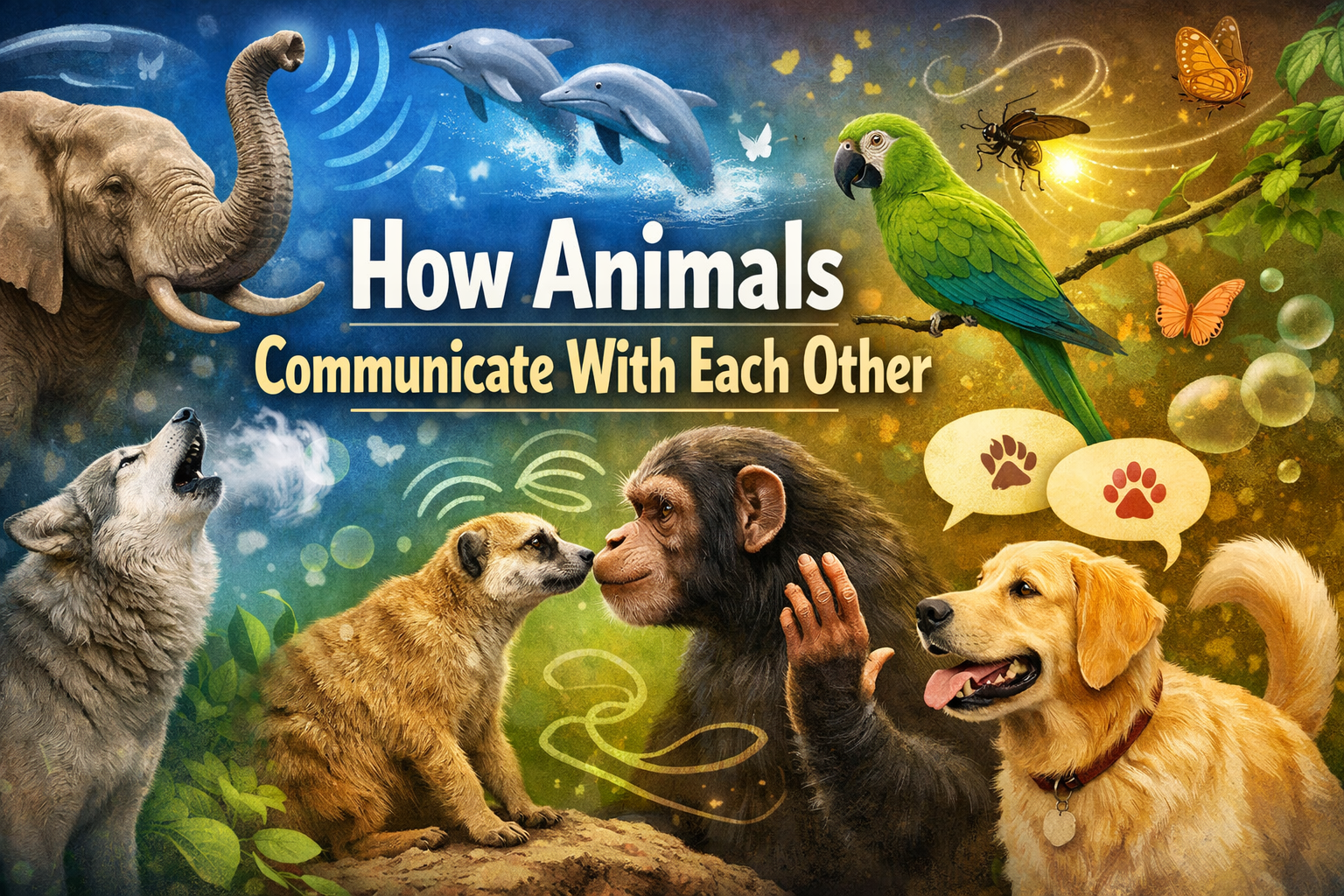
How Animals Communicate With Each Other
Introduction
How animals communicate with each other is one of the most fascinating topics in the natural world. Animals may not use words like humans, but they constantly exchange information through sounds, movements, scents, colors, and even vibrations. From birds singing at dawn to bees dancing inside a hive, animal communication helps them survive, reproduce, and live together.
In the first moments of life, animals rely on communication to find food, warn others of danger, attract mates, and build social bonds. Understanding how animals communicate with each other not only deepens our appreciation of wildlife but also helps scientists protect species and ecosystems more effectively.
This article explores animal communication in a clear, engaging way—perfect for students, animal lovers, and curious readers.
Scientific Classification
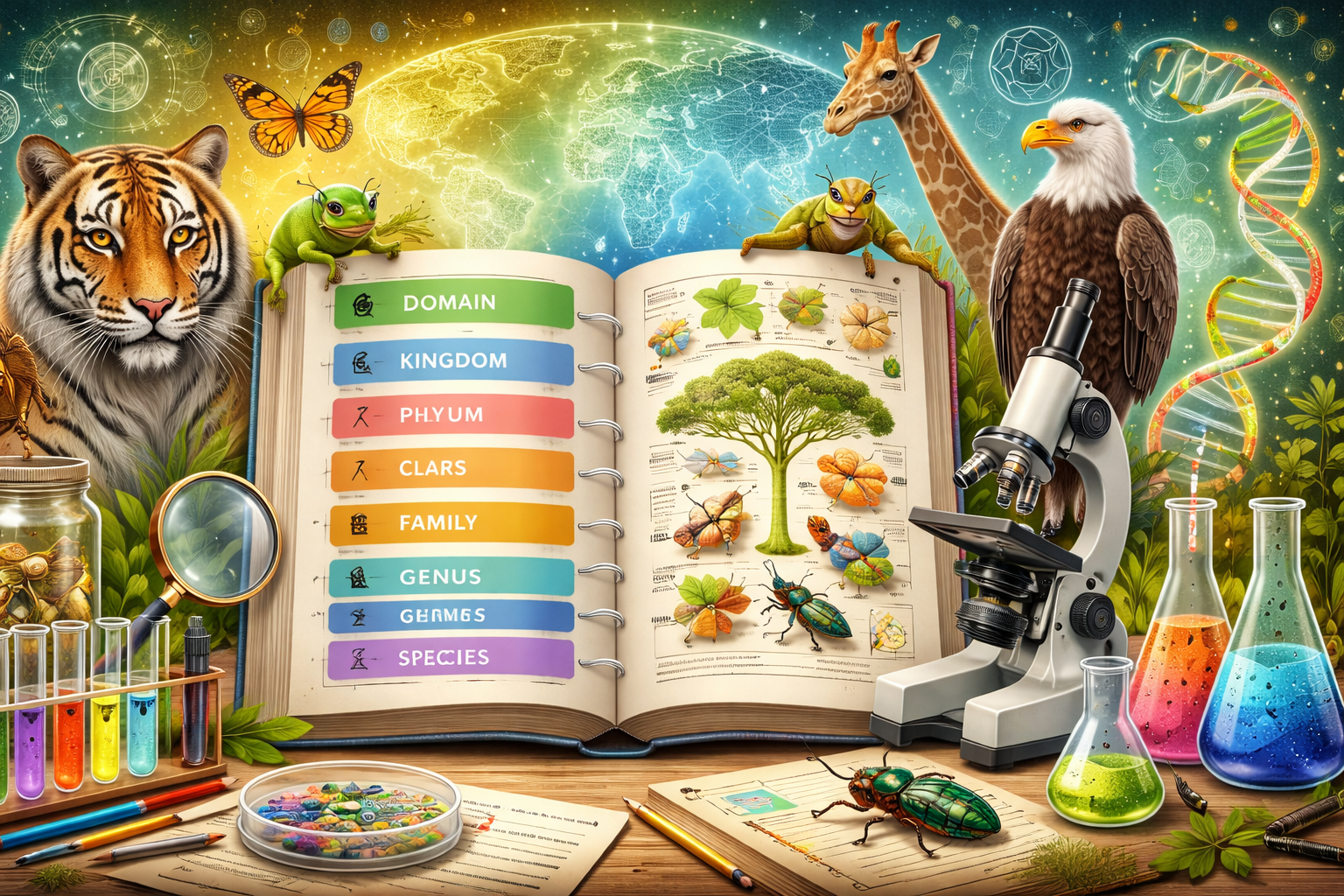
Animal communication is not limited to one species or group. It exists across the entire Animal Kingdom.
| Level | Classification |
|---|---|
| Kingdom | Animalia |
| Phylum | Chordata (and others) |
| Classes | Mammalia, Aves, Reptilia, Amphibia, Insecta, Fish |
| Study Field | Ethology (Animal Behavior) |
Scientists who study how animals communicate with each other focus on behavior, evolution, and biology to understand why and how these signals evolved.
Habitat and Distribution
Animal communication occurs everywhere on Earth, including:
- Forests and jungles
- Oceans and coral reefs
- Deserts and grasslands
- Polar regions
- Urban environments
Each habitat shapes communication styles. For example:
- Dense forests favor loud calls or bright colors
- Oceans rely on sound and vibration
- Nocturnal animals depend on smell and touch
The environment plays a major role in how animals communicate with each other effectively.
Physical Characteristics Related to Communication
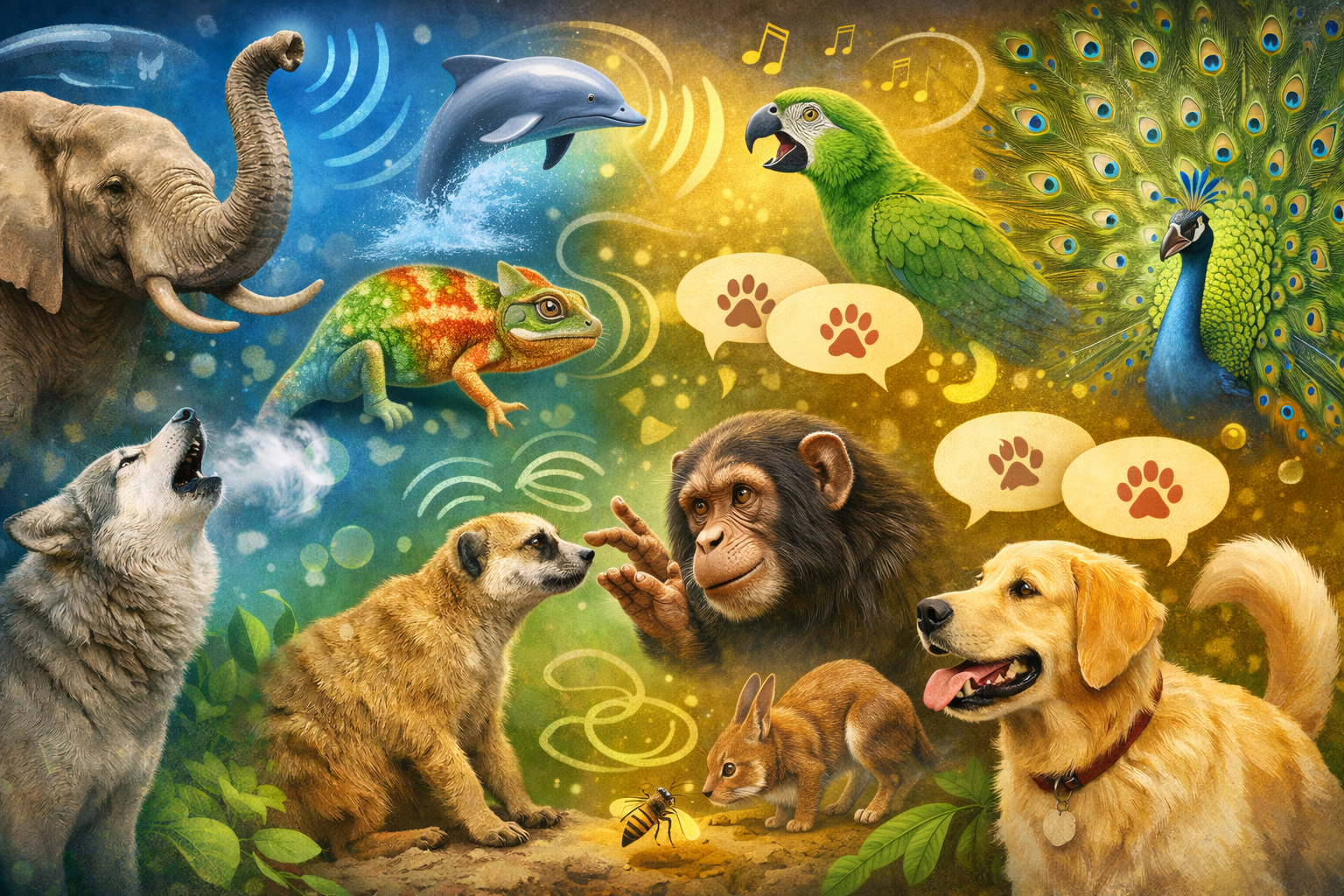
Many animals have evolved special physical features that help them communicate:
Sound-Producing Features
- Vocal cords (mammals)
- Syrinx (birds)
- Clicking organs (dolphins)
Visual Signals
- Bright feathers
- Color-changing skin
- Antlers, tails, or fins
Chemical Signal Organs
- Scent glands
- Pheromone-releasing glands
- Specialized antennae (insects)
These physical traits are not random—they exist because communication increases survival.
Diet and Feeding Habits (Communication Role)
Animals often use communication to find and share food:
- Wolves howl to gather the pack for hunting
- Ants leave scent trails to food sources
- Dolphins coordinate hunting using clicks
- Birds call to signal feeding opportunities
In social species, food-related communication improves efficiency and group success.
Behavior and Lifestyle
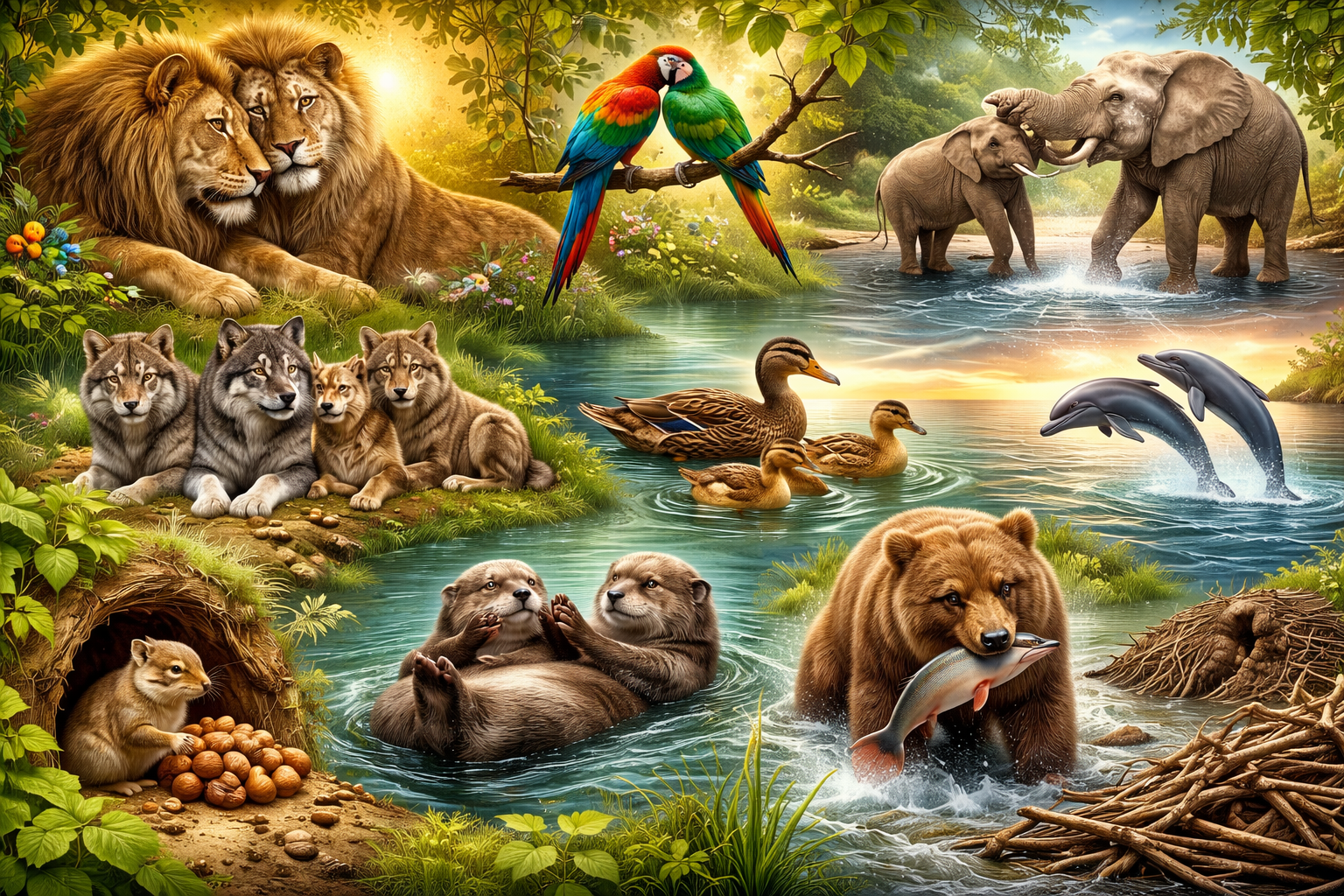
How Animals Communicate With Each Other
Animals communicate using several main methods. Often, they combine more than one.
1. Vocal Communication
Sounds are one of the most common ways animals communicate with each other.
Examples include:
- Bird songs to attract mates
- Alarm calls in monkeys
- Whale songs across oceans
- Growls, barks, and roars
Sounds can convey:
- Danger
- Location
- Emotional state
- Social status
2. Body Language and Visual Signals
Many animals rely on movement and posture.
Examples:
- Dogs wagging tails
- Cats arching backs
- Deer raising tails as warning signs
- Peacocks displaying feathers
Body language is especially important for animals living in groups.
3. Chemical Communication (Smell)
Chemical signals are powerful and long-lasting.
Examples:
- Pheromones in insects
- Scent marking in mammals
- Territorial odors
This method works well in darkness and over long periods.
4. Touch Communication
Physical contact strengthens social bonds.
Examples:
- Grooming in primates
- Touching antennae in insects
- Nuzzling between parents and offspring
Touch is common among social and family-based species.
5. Vibration and Electrical Signals
Some animals communicate using vibrations or electrical signals:
- Spiders sense web vibrations
- Elephants detect ground vibrations
- Electric fish send electrical pulses
These methods are especially useful where sound or sight is limited.
Reproduction and Lifespan
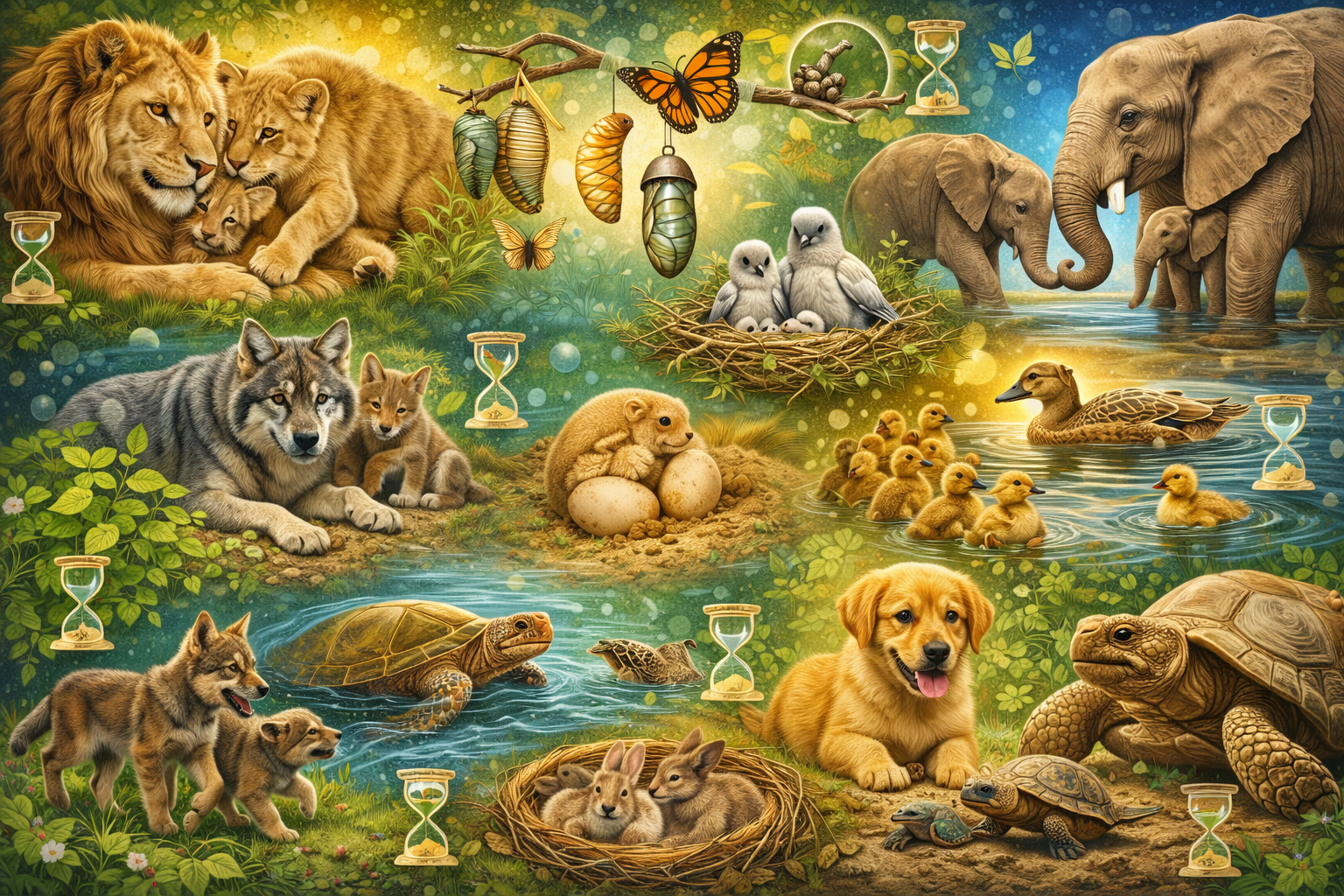
Communication plays a crucial role in mating and reproduction.
Mating Communication Includes:
- Songs (birds, whales)
- Visual displays (fish, birds)
- Chemical signals (insects)
- Physical rituals (mammals)
Clear communication ensures:
- Species recognition
- Healthy mate selection
- Successful reproduction
Animals that communicate effectively often have higher reproductive success and longer lifespans.
Interesting Facts About Animal Communication
- Bees use a dance to show food location
- Dolphins have unique names using whistles
- Elephants can communicate over 10 kilometers
- Octopuses change color to signal mood
- Ants use more than 20 chemical signals
- Some birds can mimic human speech
- Whales produce the loudest sounds on Earth
Conservation Status and Threats
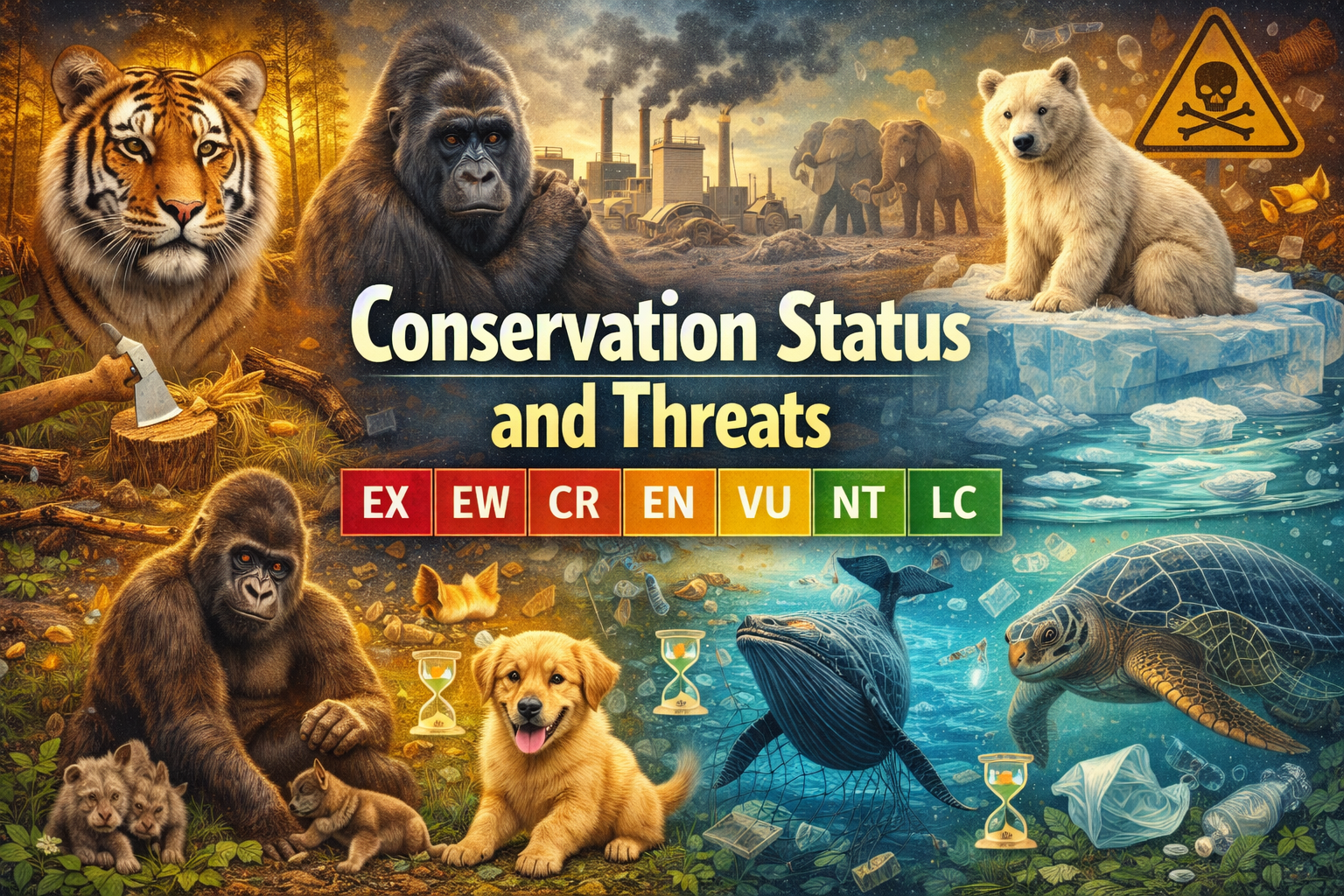
Human activity affects how animals communicate with each other.
Major Threats:
- Noise pollution (ships, cities)
- Light pollution
- Habitat destruction
- Climate change
- Chemical pollution
Disrupted communication can lead to:
- Failed mating
- Increased stress
- Loss of social structure
- Population decline
Protecting habitats also protects animal communication systems.
Frequently Asked Questions (FAQ)
1. How do animals communicate with each other?
Animals communicate using sounds, body language, smells, touch, colors, vibrations, and electrical signals.
2. Do animals understand each other?
Animals understand signals within their species and sometimes across species, especially warning calls.
3. Which animals communicate the most?
Highly social animals like dolphins, elephants, wolves, bees, and primates have complex communication systems.
4. Is animal communication similar to human language?
Animal communication shares features like meaning and structure, but it is simpler and less flexible than human language.
5. Why is animal communication important?
It helps animals survive, find food, reproduce, avoid danger, and maintain social bonds.
Meta Title (SEO)
How Animals Communicate With Each Other | Animal Behavior Guide
Meta Description (SEO)
Learn how animals communicate with each other using sounds, body language, smells, and signals. Simple, engaging guide for animal lovers.
Suggested Internal Linking Anchor Texts
- Animal behavior basics
- Types of animal communication
- Wildlife adaptation strategies
- Social behavior in animals
- How animals survive in the wild
Final Note
Understanding how animals communicate with each other opens a window into the intelligence, emotion, and complexity of the natural world. The more we learn, the better we can protect and coexist with wildlife.