Fun Facts About Animals You Probably Didn’t Know
Animals have always fascinated humans. From the tiniest insects to the largest mammals on Earth, the animal kingdom is full of surprises. In this article, we explore fun facts about animals you probably didn’t know, revealing strange behaviors, hidden abilities, and mind-blowing traits that make animals truly incredible.
Many animals have evolved unique features to survive, communicate, and thrive in their environments. Some facts may sound unbelievable—but they are scientifically proven. Whether you are a student, wildlife enthusiast, or simply curious, these interesting animal facts will change how you see the natural world.
Scientific Classification of Animals
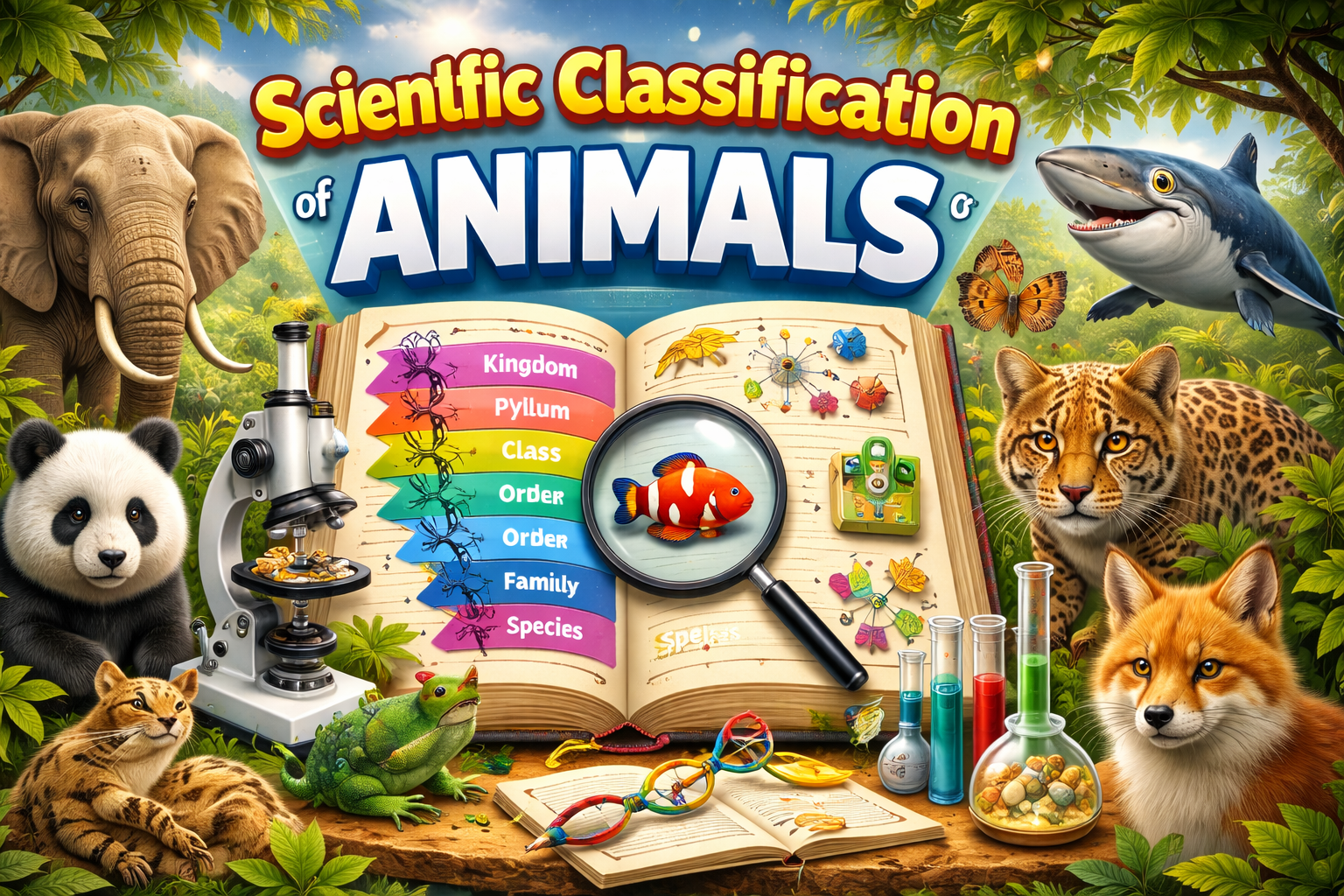
Animals belong to the biological kingdom Animalia, which includes millions of known species and many more yet to be discovered.
Basic Animal Classification
Animals are scientifically classified into major groups:
| Classification Level | Description |
|---|---|
| Kingdom | Animalia |
| Phylum | Chordates, Arthropods, Mollusks, and more |
| Class | Mammals, Birds, Reptiles, Amphibians, Fish |
| Order | Carnivora, Primates, Cetacea, etc. |
| Family | Cats, dogs, whales, birds |
| Genus & Species | Specific animal identification |
This system helps scientists understand relationships between species and track animal evolution.
Habitat and Distribution of Animals
Animals live in nearly every environment on Earth. Their ability to adapt has allowed them to survive in extreme conditions.
Common Animal Habitats
- Forests and jungles
- Deserts and grasslands
- Oceans and coral reefs
- Polar regions
- Freshwater lakes and rivers
- Urban and suburban areas
Some animals migrate across continents, while others remain in one habitat for their entire lives.
Physical Characteristics of Animals
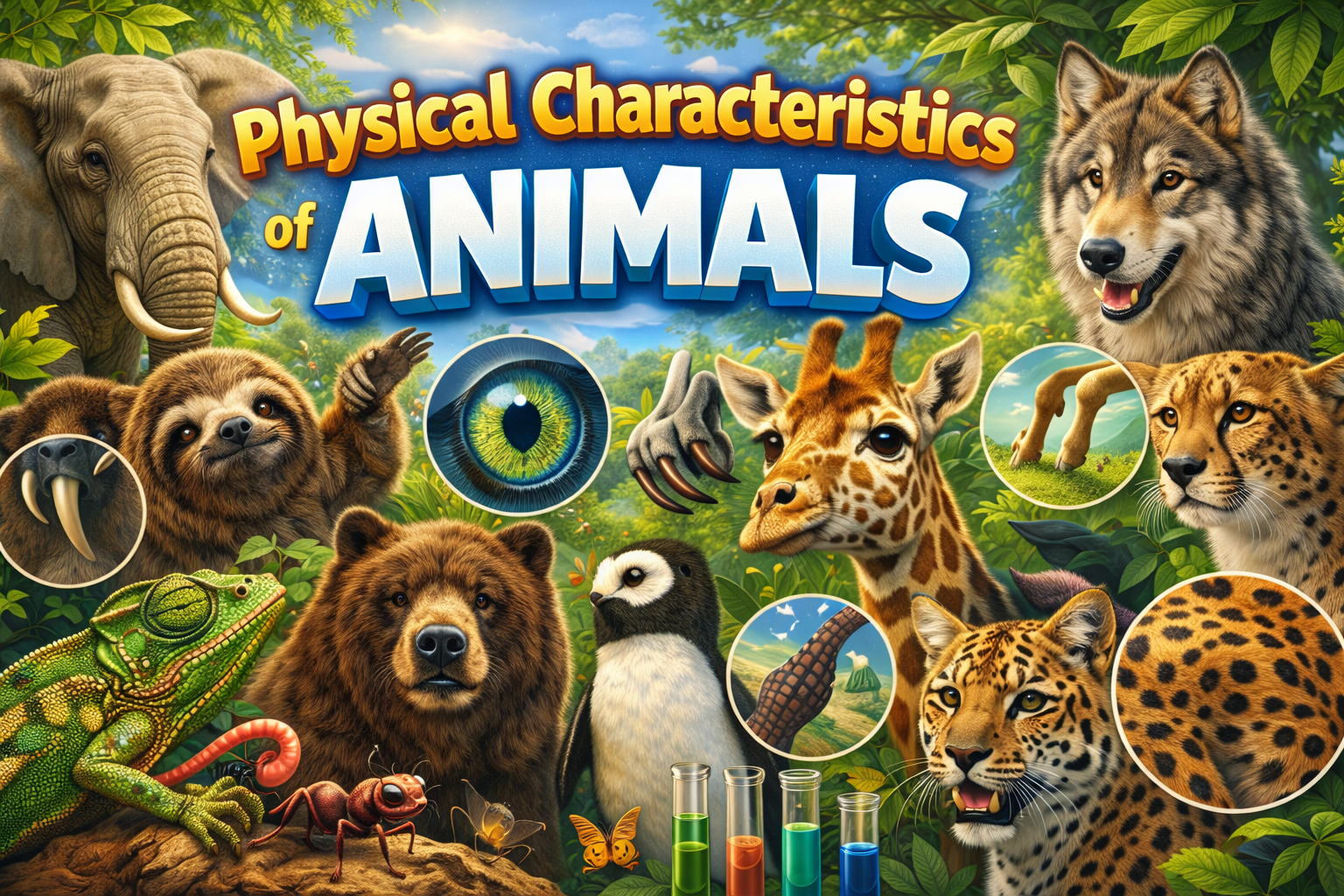
Animal bodies are shaped by evolution. Each feature serves a purpose—survival, hunting, defense, or reproduction.
Unique Physical Traits
- Camouflage: Chameleons and octopuses blend into surroundings
- Armor: Turtles and armadillos have protective shells
- Flight: Birds and insects evolved wings
- Speed: Cheetahs can reach up to 70 mph
- Strength: Ants can lift many times their body weight
These traits are examples of nature’s problem-solving at its finest.
Diet and Feeding Habits
Animals eat different types of food depending on their biological needs.
Types of Animal Diets
- Herbivores: Eat plants (e.g., deer, elephants)
- Carnivores: Eat meat (e.g., lions, sharks)
- Omnivores: Eat both plants and meat (e.g., bears, humans)
- Detritivores: Feed on dead organic matter
Some animals have highly specialized diets, such as pandas eating mostly bamboo.
Behavior and Lifestyle of Animals
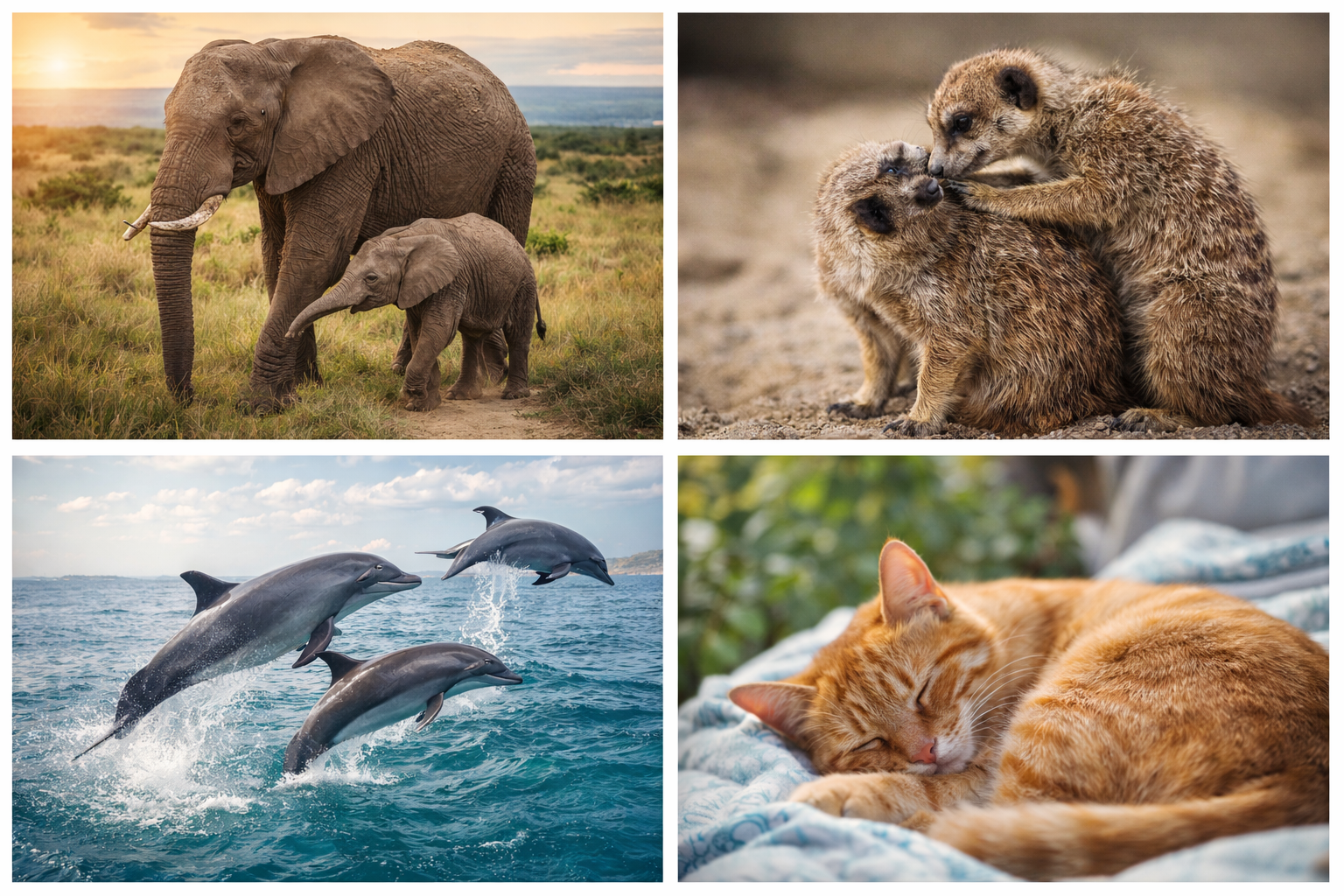
Animal behavior can be simple or extremely complex. Many animals display intelligence, emotions, and social structures.
Common Animal Behaviors
- Tool use (crows, dolphins)
- Group living (wolves, ants)
- Communication through sound, scent, or body language
- Hunting strategies and teamwork
- Seasonal migration
Animals often learn behaviors from parents or group members.
Reproduction and Lifespan
Animals reproduce in various ways to ensure survival of their species.
Reproductive Methods
- Egg-laying (birds, reptiles, insects)
- Live birth (most mammals)
- Asexual reproduction (some insects and marine animals)
Lifespan Range
- Mayflies: a few hours
- Dogs: 10–15 years
- Elephants: 60–70 years
- Greenland sharks: over 250 years
Lifespan depends on genetics, environment, and threats.
Fun Facts About Animals You Probably Didn’t Know
Here are some of the most surprising and fun animal facts backed by science:
1. Octopuses Have Three Hearts
Two hearts pump blood to the gills, while one pumps it to the rest of the body.
2. Cows Have Best Friends
Studies show cows are less stressed when they are with their preferred companions.
3. Butterflies Remember Being Caterpillars
Despite complete transformation, butterflies retain memories from their larval stage.
4. Dolphins Have Names
Dolphins use unique whistles to identify each other—similar to human names.
5. Sloths Can Hold Their Breath Longer Than Dolphins
They can slow their heart rate and hold their breath for up to 40 minutes.
6. Birds Don’t Urinate
Birds convert waste into uric acid to reduce weight for flight.
7. Ants Never Sleep Like Humans
They take short power naps totaling about 4 hours per day.
Conservation Status and Threats
Many animals face serious threats due to human activities.
Major Threats to Wildlife
- Habitat destruction
- Climate change
- Illegal hunting and poaching
- Pollution and plastic waste
- Invasive species
Why Animal Conservation Matters
Protecting animals helps maintain ecosystems, supports biodiversity, and benefits human life.
Small actions—such as reducing plastic use and supporting conservation groups—can make a big difference.
Frequently Asked Questions (FAQ)
1. Why are animals important to ecosystems?
Animals help maintain balance by controlling populations, pollinating plants, and recycling nutrients.
2. What is the smartest animal?
Dolphins, chimpanzees, elephants, and crows are considered among the smartest animals.
3. How many animal species exist?
Scientists estimate over 8 million animal species, with many still undiscovered.
4. Can animals feel emotions?
Yes. Many animals experience emotions like fear, joy, stress, and affection.
5. What is the rarest animal in the world?
The vaquita porpoise is currently considered one of the rarest animals on Earth.